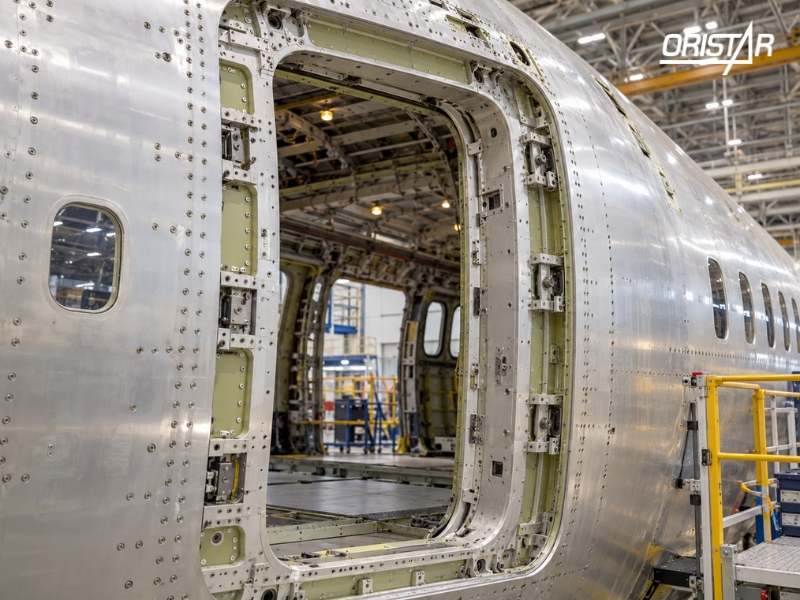
Aluminum for aircraft door frames requires high strength, toughness and ability to withstand concentrated loads. Learn about A7050, A7475 and criteria for selecting aircraft door frame materials
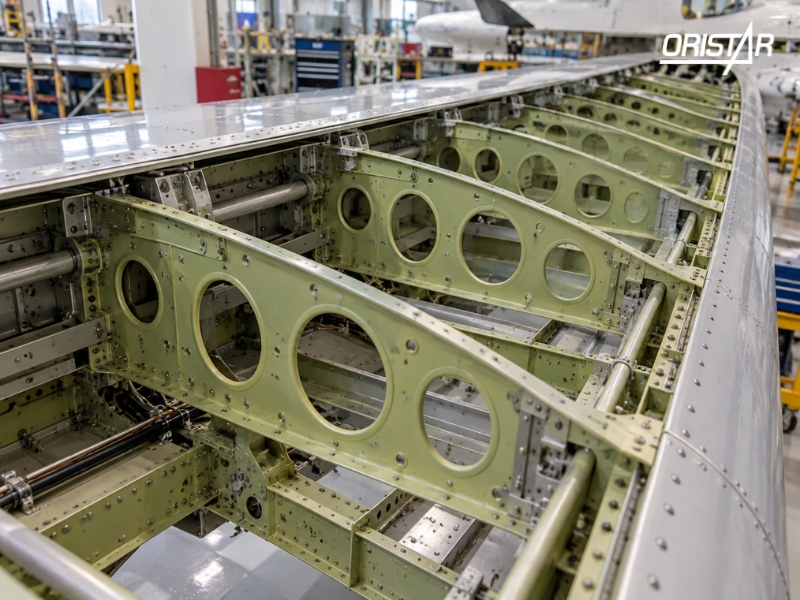
Aluminum for aircraft wing ribs requires high strength, toughness and stability. Learn A7050, A7475 and how to choose materials according to load, thickness, and processing.
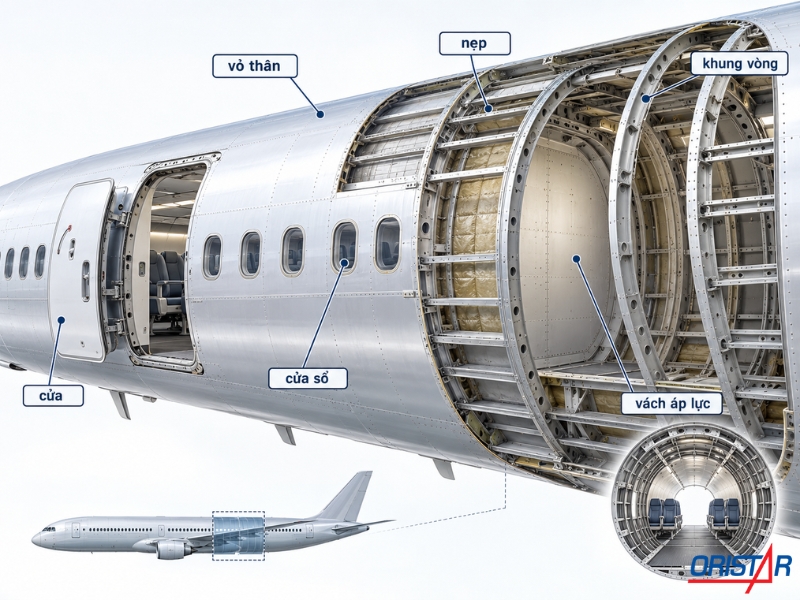
Aluminum for aircraft fuselage is not limited to A2024 or A7075. Find out which aluminum grades are used for the body shell, braces, frames, doors and pressure walls and why
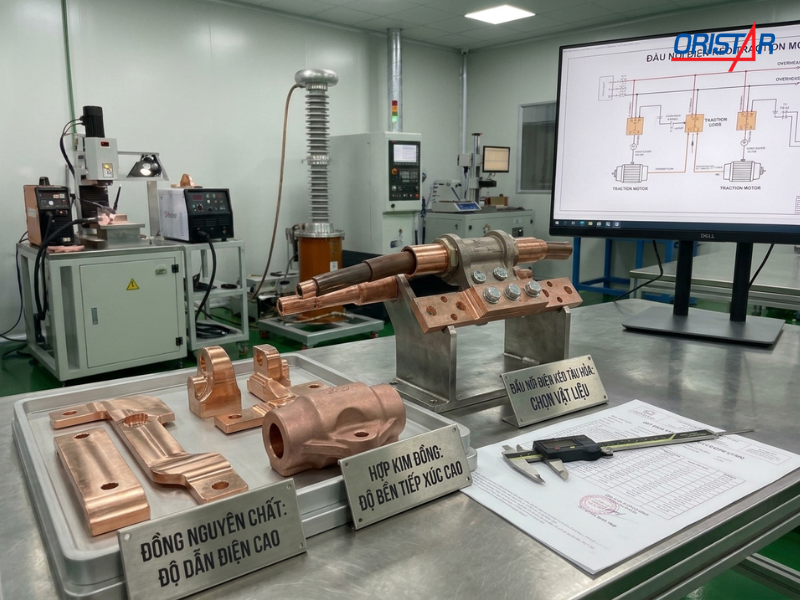
In railway traction power systems, traction power connectors connect wires, busbars or electrical equipment, helping to maintain the path of electric current between components in the system. Connector manufacturing materials need to meet requirements for electrical conductivity, mechanical strength, contact quality and ability to work under actual operating conditions. Copper and copper alloys are material groups that can be considered for this application, depending on the connector structure and device requirements.
In railway traction power systems, traction power connectors connect wires, busbars or electrical equipment, helping to maintain the path of electric current between components in the system. Connector manufacturing materials need to meet requirements for electrical conductivity, mechanical strength, contact quality and ability to work under actual operating conditions. Copper and copper alloys are material groups that can be considered for this application, depending on the connector structure and device requirements.
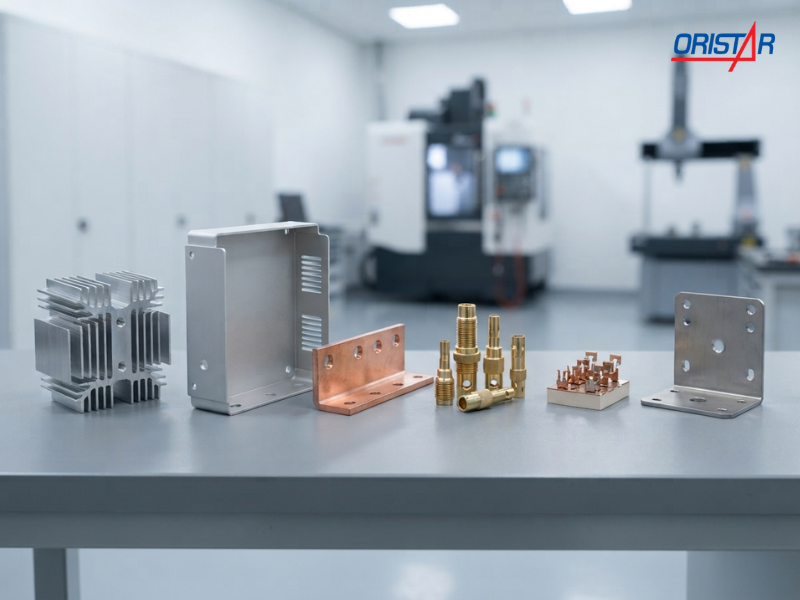
Electrical and electronic equipment includes many products with very different requirements in terms of electrical conductivity, thermal conductivity, durability, accuracy, weight and corrosion resistance. Therefore, the materials used for power bars, busbars, connectors, heatsinks, device covers or chassis cannot be selected according to a single criterion. Oristar supplies aluminum, copper and technical steel groups for the production of electrical equipment, electronic components and related mechanical components. Depending on the requirements of each product, businesses can choose from aluminum grades such as A1050, A5052, A6061, A7075; copper grades such as C1100, C1020, C5191, C5210; to stainless steel and technical steel for parts that require durability, precision or corrosion resistance.
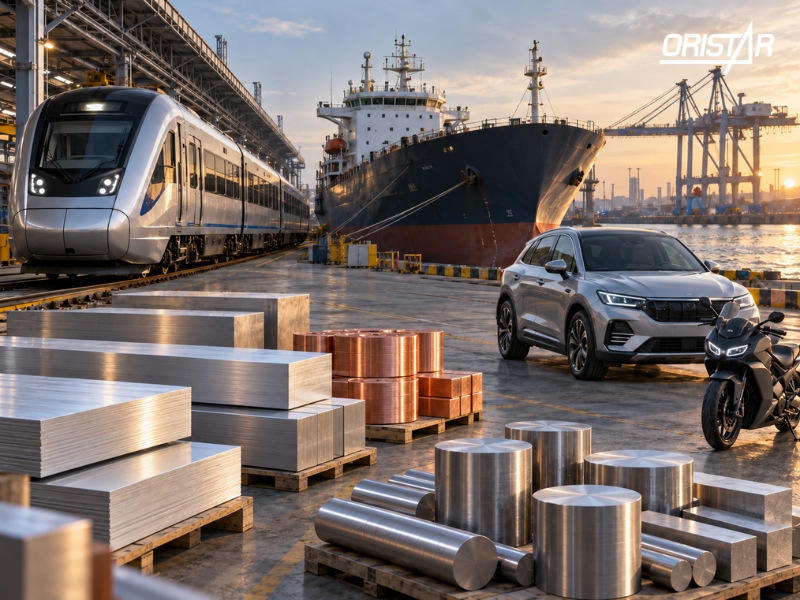
Oristar provides aluminum, copper, steel and technical materials for the transportation industry including railways, marine, automobiles and motorbikes, supporting specifications and processing as required.
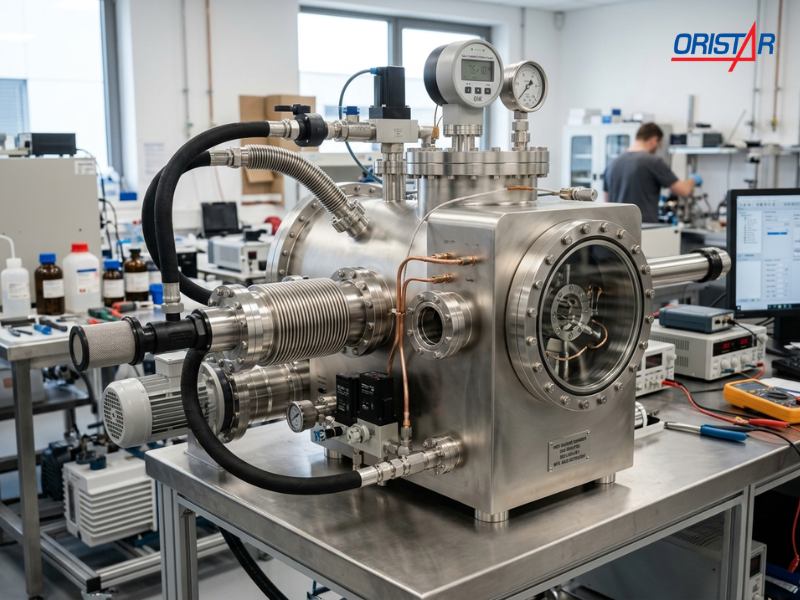
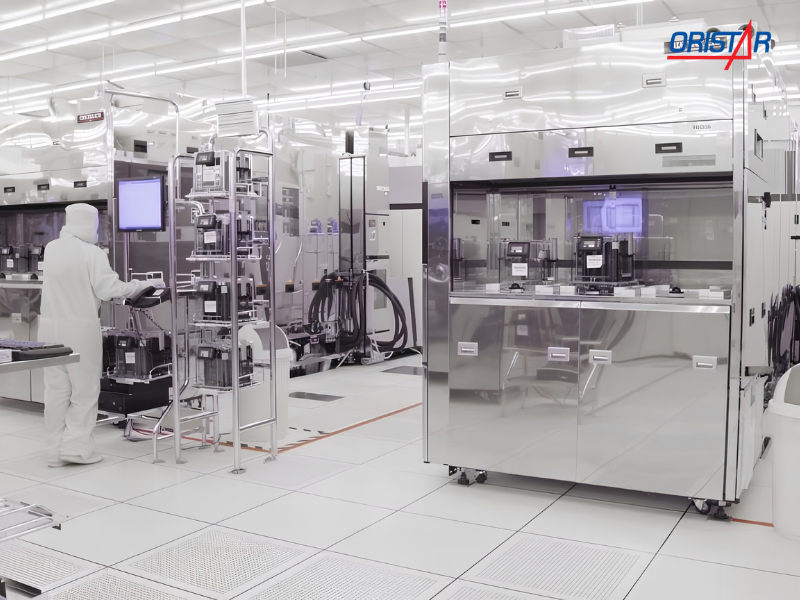
In the semiconductor industry, vacuum chambers are used in many processing and component manufacturing systems. Chamber materials need to meet requirements for corrosion resistance, dimensional stability, surface quality and precision machining. SUS304, SUS304L, SUS316 and SUS316L are stainless steel grades that can be considered depending on design and operating conditions. The selection should be based on the usage environment, cleanliness requirements, vacuum level and technical standards of each device.
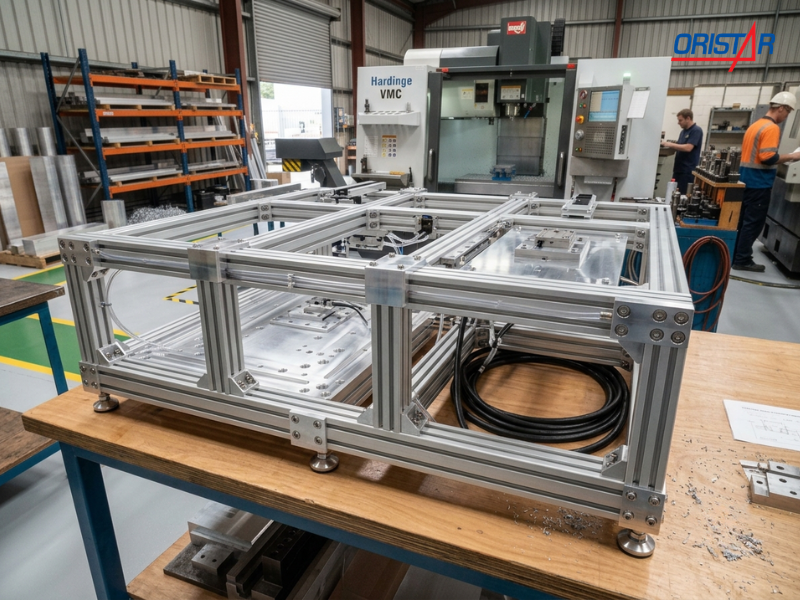
The machine frame is the part that creates the structure and connects many detailed assemblies in semiconductor manufacturing equipment. The frame material therefore needs to simultaneously meet the requirements of weight, rigidity, machinability and stability during assembly and operation. Aluminum and aluminum alloys are used in many machine structures due to their light weight, machinability and flexibility in specifications. Depending on the frame design, load, processing method and technical requirements, businesses can consider grades such as A6061, A5052, A6063 or other types of aluminum suitable for each structure.
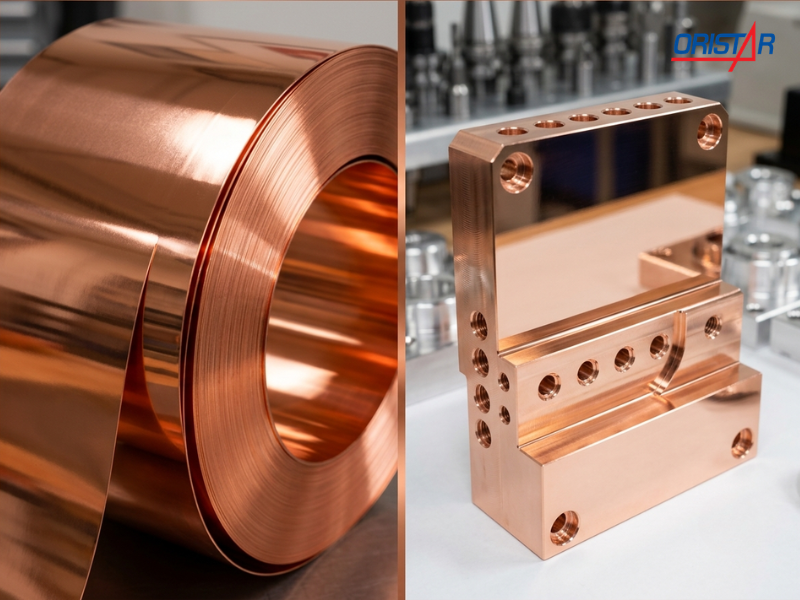
C1100 copper in the semiconductor industry is used in many locations that require good electrical conductivity, heat transfer and shaping. With a copper content of 99.90%, C1100 is suitable for conductive parts, busbars and heatsinks in semiconductor manufacturing, packaging and testing equipment. However, the C1100 is not the right choice for every position in the semiconductor line. In particular, parts working in vacuum and high temperature environments need to consider the oxygen content in the material. Therefore, when choosing C1100 blanks, businesses need to clearly determine the application, material status, specifications and processing requirements right from the beginning.
The semiconductor industry requires materials with high stability, corrosion resistance and good response to strict production conditions. In the Austenitic stainless steel group, SUS316 is of interest thanks to its molybdenum (Mo) content, which helps increase corrosion resistance compared to grades such as SUS304, especially in environments with chloride and many corrosive agents. However, choosing SUS316 in the semiconductor industry is not just based on the brand name. Depending on the location of use, businesses also need to consider material types, specifications, surface requirements, processing methods and actual conditions of the equipment.
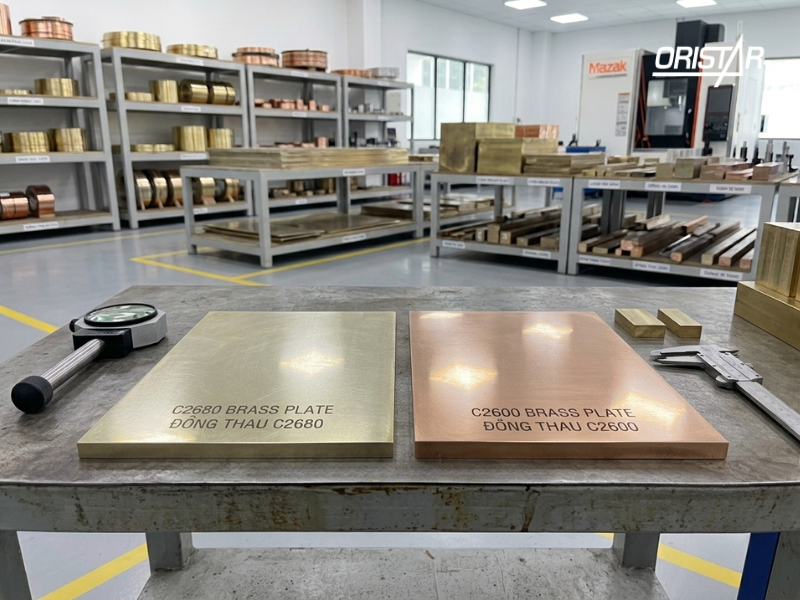
C2680 and C2600 are both brass grades used in mechanical machining, stamping and forming, but these two materials should not be considered completely equivalent. Differences in composition, material state and forming characteristics can affect the choice of workpiece as well as the ability of the part to meet the requirements after being machined. Therefore, when considering C2680 or C2600, businesses need to rely on product shape, degree of deformation, stamping method and surface requirements instead of just comparing material prices. The article below helps distinguish between two brass grades and determine the more suitable choice for each production need.
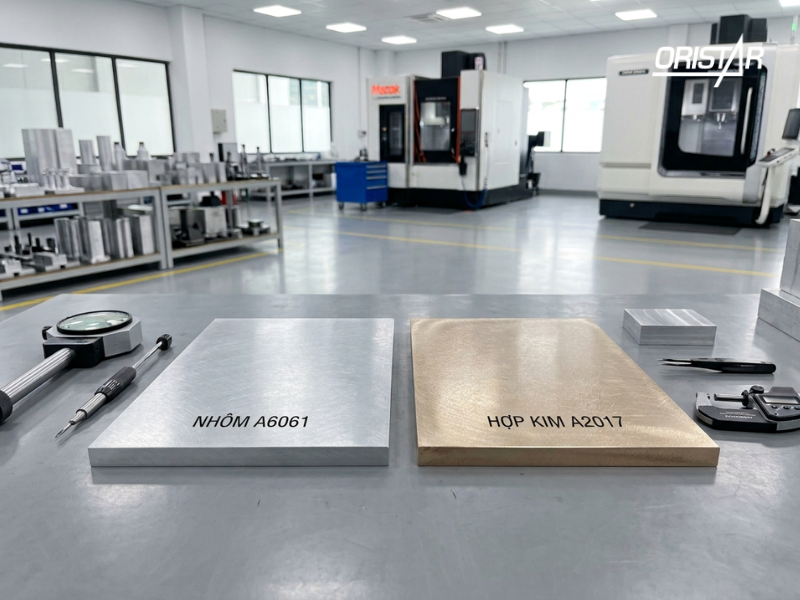
A6061 and A2017 are both aluminum alloys used in mechanical processing, but each grade has its own characteristics in terms of machinability, durability, shaping and corrosion resistance. Therefore, choosing A6061 or A2017 should not be based solely on material price or brand name, but should be in relation to the processing method, load-bearing requirements and working environment of the part. The article below helps businesses distinguish between two aluminum grades and determine the more suitable choice for each production need.
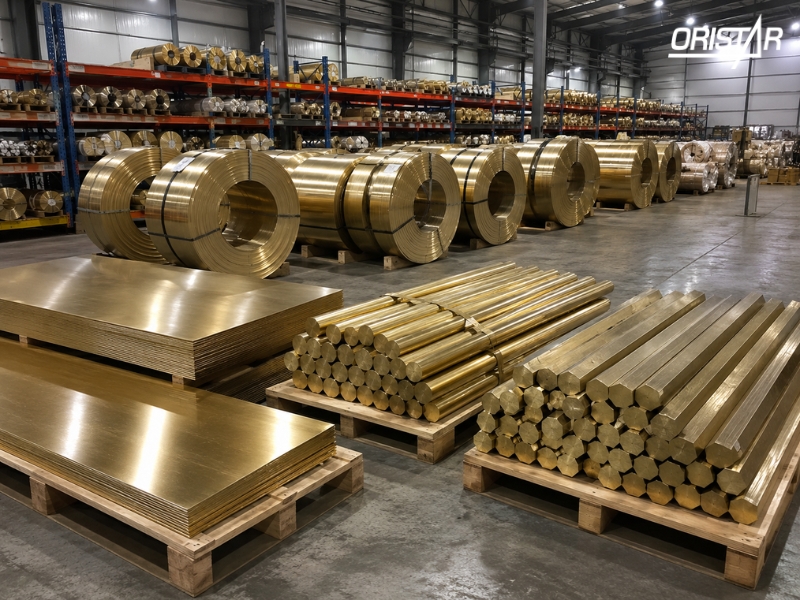
Find brass C2680 in coils/sheets, C3604 in bars/sheets and C2801 in coils at Oristar. Features, applications, how to choose and quote according to specifications.
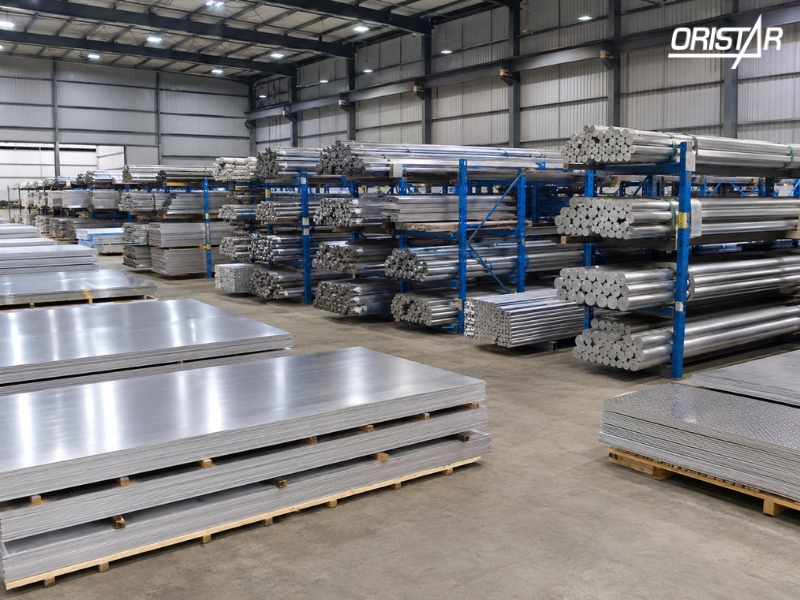
Buy aluminum cut to size at Oristar. Support checking aluminum plates and aluminum bars according to grade, specifications, quantity and actual billet cutting requirements.
 vi
vi
 en
en
 kr
kr
 jp
jp
 cn
cn