 vi
 en
 kr
 jp
 cn




Marine engine mounting materials need to meet different requirements for durability, stability and machinability. Although the base, base plate and auxiliary parts belong to the same installation system, replacement materials cannot be used arbitrarily. In particular, steel often plays an important role in the load-bearing structure, while aluminum A6061, A5052 and stainless steel SUS304 can be considered for suitable auxiliary details. Choosing the right materials right from the workpiece preparation stage helps businesses control quality and limit deviations during assembly.
What are marine engine mounting materials?
Marine engine installation materials are materials used to manufacture supporting structures, alignment details, connections and accessories for engine installation in the engine room. Different from materials used to make pistons, crankshafts or engine bodies, this group of materials focuses on the system that fixes and supports engine operation on ships.
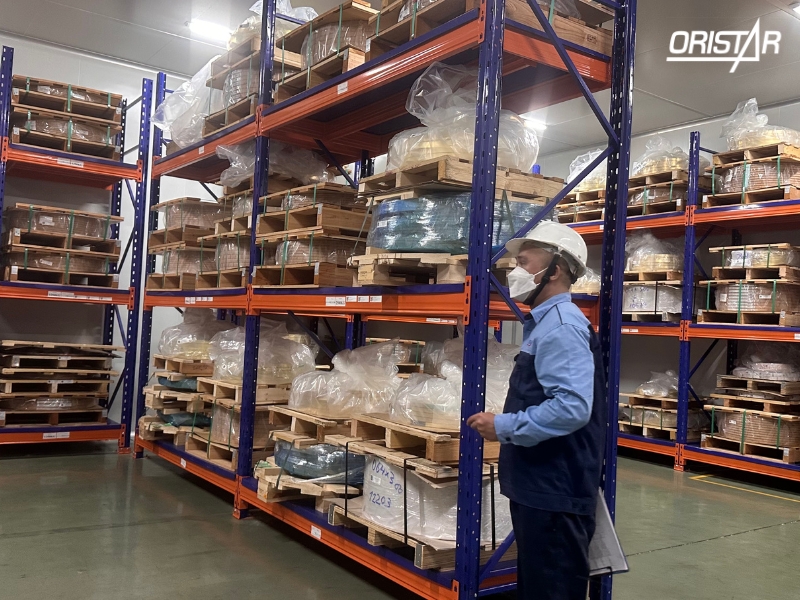
Common parts include support base, base plate, machine holding bolts, mounting plate, cover and connection details. Depending on the installation plan, the system can also use specialized plastic cushions or anti-vibration kits. Each component needs to be selected according to the engine manufacturer's drawings, loads and instructions.
Important parts in marine engine installation systems
Marine engines must be installed stably and maintain their working position under conditions of vibration and load changes. Therefore, it is necessary to clearly distinguish the parts that directly bear the load from the auxiliary details.
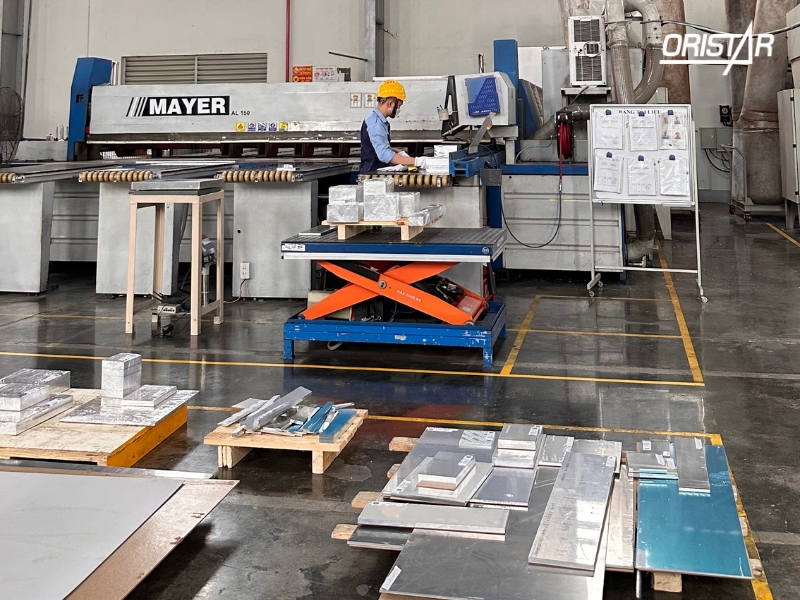
Engine base – The structure that supports the engine
Engine Foundation is the structural system that supports and transmits loads from the engine to the ship's hull structure.
Platforms are often designed with steel plates, reinforcing beams and suitable connection locations. Materials need to meet durability, hardness and manufacturability requirements. For the main machine base, steel grades and structural plans must comply with the approved design documents. It is not possible to replace steel with aluminum just to reduce weight.
Tripod alignment plate - Alignment support detail
The Engine Chock is located between the tripod and the supporting surface, and is responsible for transmitting and maintaining the installation position according to the design plan. Depending on the engine type, the system may use precision machined steel alignment plates, specialized plastic inserts or approved alignment mechanisms.
For metal base plates, flatness, contact surface quality, size and location of mounting holes are requirements that need to be controlled.
Aluminum A6061, A5052 and SUS304 should not be used as a default replacement for load-bearing steel plates without appropriate technical specifications.
Bolts, mounting plates and auxiliary details
Machine retaining bolts and movement stoppers have the function of fixing the engine according to design. In addition, the system also uses auxiliary details such as sensor mounting plates, measuring device holders, covers and protective covers.
This group can consider using different types of metal workpieces, depending on load, environment and processing requirements.
Which parts are A6061, SUS304 and A5052 suitable for?
In Oristar's Transport industry material catalog, A6061, SUS304 and A5052 are three grades that can be considered for auxiliary details related to engine installations. However, there is no one material grade that is suitable for all parts in the engine room.
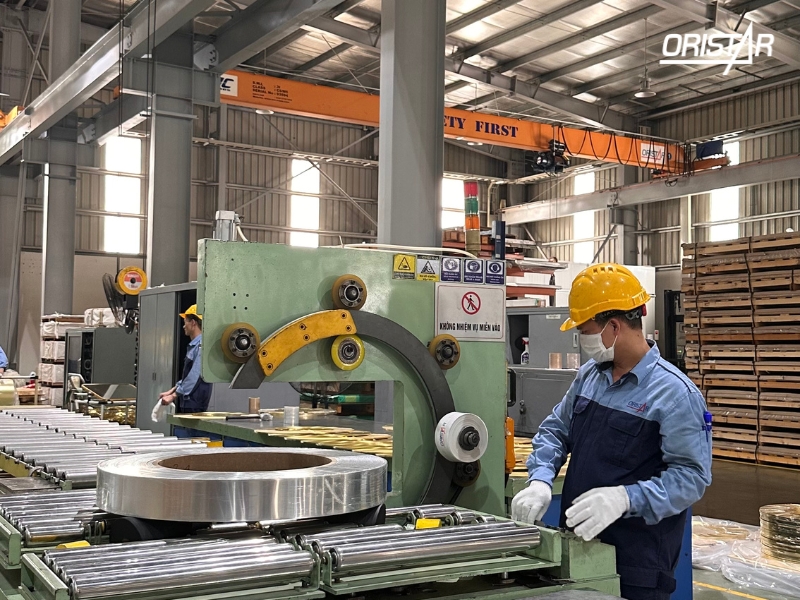
Aluminum A6061 – Workpiece for processing mounting plates and brackets
A6061 aluminum belongs to the aluminum-magnesium-silicon alloy group, has good mechanical machinability and suitable mechanical properties for many industrial applications.
This material may be considered for:
- Sensor mounting plate and measuring equipment.
- Auxiliary parts holder.
- Control device mounting base.
- Connection details do not bear the main load.
When using A6061, it is necessary to determine the material state, thickness, tolerances and working conditions. In particular, parts exposed to high temperatures or subjected to large vibrations must be evaluated according to design, not selected solely based on the advantage of light weight.
SUS304 stainless steel – Assembly and protection accessories
SUS304 is resistant to corrosion in many usage environments and can be processed into sheet parts. For the engine area, SUS304 can be considered for protective covers, mounting plates and suitable mounting accessories.
However, it is necessary to distinguish between protected engine room environments and locations that are regularly exposed to sea water. SUS304 has a risk of pitting and crevice corrosion in high chloride environments, so should not be used by default in all marine locations.
Aluminum A5052 – Covers and auxiliary protective covers
A5052 aluminum stands out with its good corrosion resistance and formability, suitable for consideration for sheet parts that do not bear the main load.
Applications may include:
- Auxiliary equipment cover.
- Maintenance cap.
- Mechanical protective cover.
- Covering panel according to drawings.
When used near an engine, it is necessary to evaluate the operating temperature, fire safety requirements and installation conditions. A5052 is not an automatic replacement for a load-bearing base or foot plate.
Technical requirements when choosing materials to install marine engines
Materials and build quality affect the ability to assemble, maintain position and service the device. Before ordering, businesses need to check the following five factors.
- Durability and rigidity:Details must meet static loads, dynamic loads and functions in the installation system.
- Surface flatness:Especially important for workpieces that need to be machined into precision plates or contact parts.
- Dimension Tolerance:Thickness, width, length and hole location must be determined according to the drawing. Tolerances should not be set at the same level for all engines.
- Environmental conditions:Consideration should be given to humidity, salt vapor, oil, temperature and the risk of galvanic corrosion when dissimilar metals come into contact.
- Technical profile:Material grades, supply status, mechanical properties and inspection requirements must be compared with the order documents.
For parts that directly hold or support the engine, blank inspection results do not replace alignment, testing, and installation acceptance.
How to order workpieces and machined parts according to drawings
To choose the right material to install marine engines, businesses should start from detailed functions and technical drawings instead of just providing metal names.
A complete order request should contain:
- Name and detailed installation location.
- Mark, condition and form of material.
- Workpiece size, machining surplus.
- Tolerances, flatness and surface requirements.
- Quantity and quality records need to be provided.
For mounting plates or mounting bases that require precise milling, the size of the workpiece after cutting must be distinguished from the size of the finished product after milling. If the part requires drilling, boring or finishing machining, the scope of work must also be agreed upon before production.
Metal processing and supply solutions at Oristar
At Oristar, we provide industrial metal materials and on-demand blank preparation solutions, supporting businesses in detail manufacturing serving the transportation and maritime sectors.
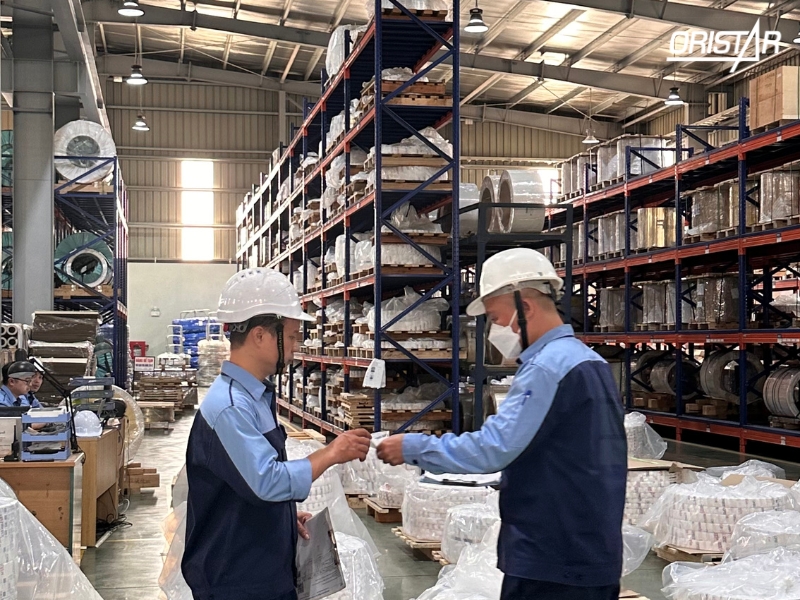
With marks A6061, A5052 and SUS304, customers can send a request to check the appropriate material type, specifications and supply capacity.
Related services include:
- Cutting metal plates and bars:Prepare workpiece according to order size.
- 4–6-sided precision milling:Control the flatness, parallelism and perpendicularity of the workpiece accordingly.
- Processing details according to drawings:Support in choosing options and connecting production partners when needed.
- Quality check:Measure size, flatness, roughness and other necessary parameters according to the inspection scope.
The ability to meet each detail is confirmed according to drawings, material types, tolerances and order conditions. Oristar does not by default provide a complete set of engine bases or perform the installation and alignment of marine engines.
Businesses that need aluminum, stainless steel billets or auxiliary mechanical parts to serve the installation of marine engines can contact Oristar, send drawings and technical requirements to receive advice on materials, processing plans and appropriate quotes.
Oristar - Vietnam's leading metal and material solutions supplier
- Hotline: 098 875 06 86
- Email: info@oristar.vn
- Zalo OA
- E-commerce website
- Official Website
Disclaimer:All technical and mechanical specifications in the article are for reference only and may change depending on specifications, material status and manufacturer. This parameter is not a substitute for official production standards (JIS, ASTM...). Please contact Oristar to receive the most detailed and accurate advice for your needs.