What do you need to pay attention to when processing metal sensor brackets? Learn about materials SUS304, A5052, A6061, hole requirements, anti-vibration and Oristar workpiece solutions
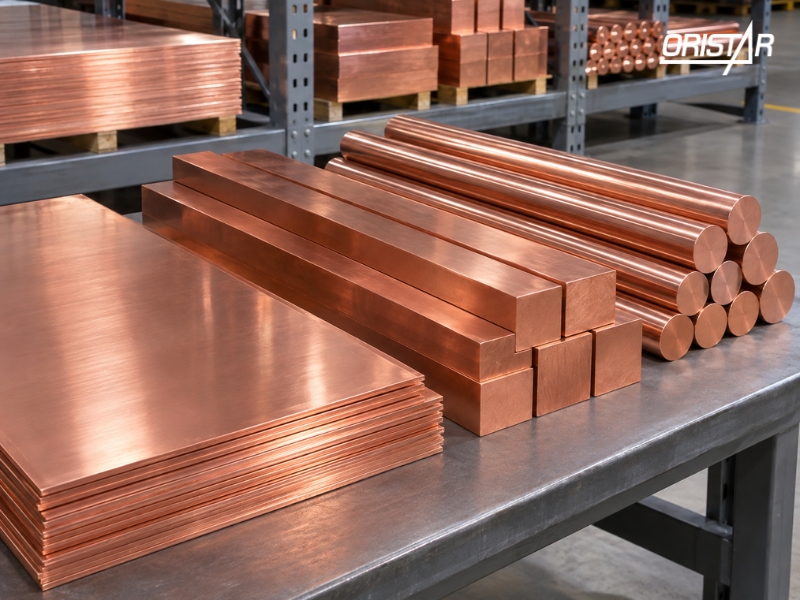
Should I choose C1100 or C1020 for transformer connector? Find out the causes of heat generation, flatness requirements, hole locations and machining solutions at Oristar
What materials are used to install marine engines? Learn about machine bases, base plates, A6061, SUS304, A5052 applications and workpiece processing solutions at Oristar
Should you choose SUS303, SUS304 or SUS316 for stainless steel industrial sensor housing? Learn about corrosion errors, wrong threads, machining requirements and workpiece supply solutions at Oristar
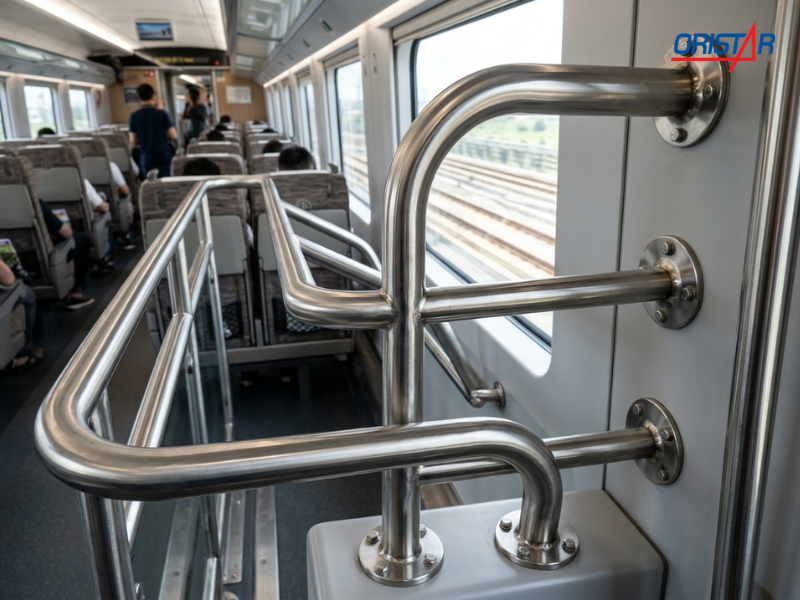
Handrails in train cars help passengers maintain balance when standing, moving or getting on and off the vehicle. This part needs to have a sturdy structure, an easy-to-clean surface and corrosion resistance appropriate to the frequency of use. Stainless steel is used in many interior applications thanks to many material grades and surface finishing options. When choosing stainless steel train handrails, businesses need to determine the steel grade, tube shape, outer diameter, wall thickness and fixation method. These parameters directly affect the stiffness, formability, joint quality and durability of the handrail during exploitation.
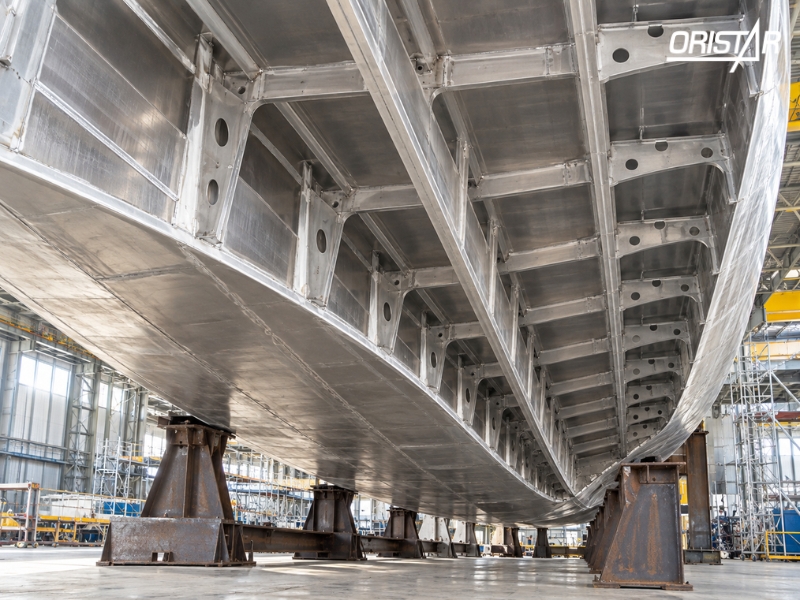
What requirements does aluminum ship bottom plate need to meet? Learn about A5052 aluminum structure, properties, corrosion resistance and processing solutions at Oristar
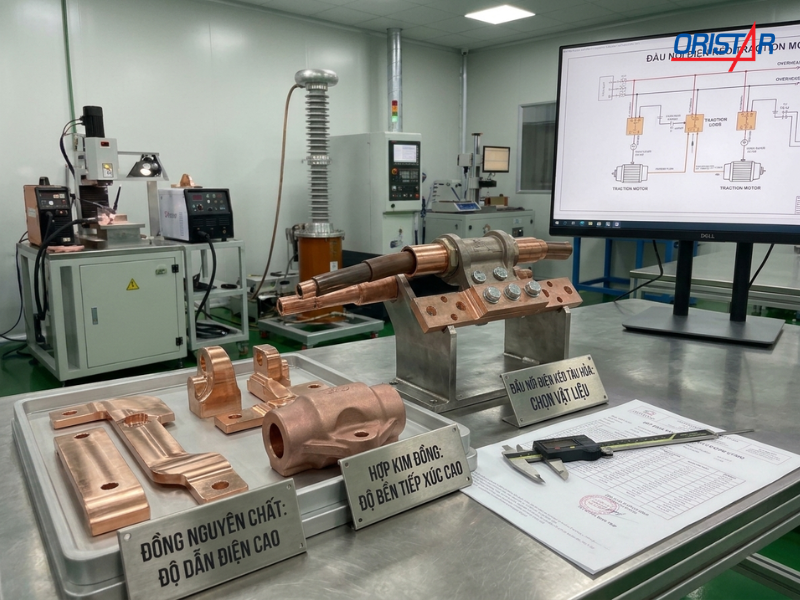
In railway traction power systems, traction power connectors connect wires, busbars or electrical equipment, helping to maintain the path of electric current between components in the system. Connector manufacturing materials need to meet requirements for electrical conductivity, mechanical strength, contact quality and ability to work under actual operating conditions. Copper and copper alloys are material groups that can be considered for this application, depending on the connector structure and device requirements.
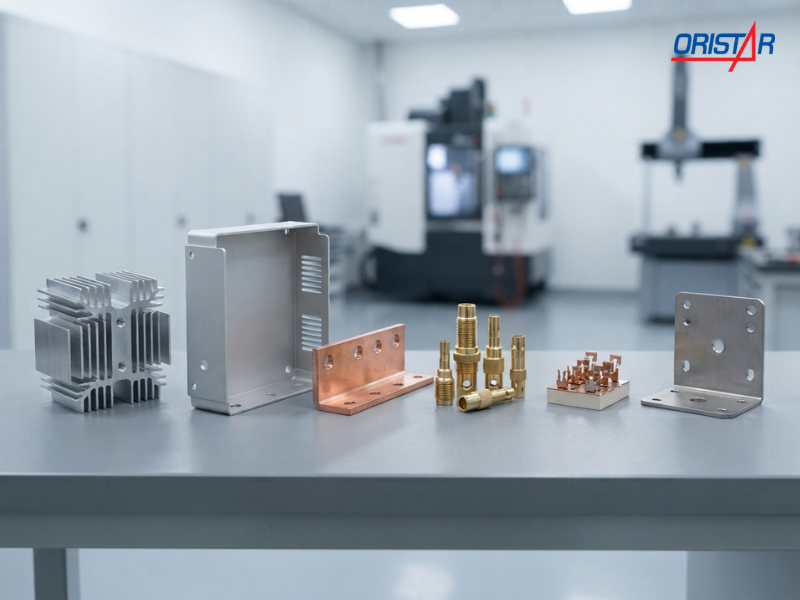
Electrical and electronic equipment includes many products with very different requirements in terms of electrical conductivity, thermal conductivity, durability, accuracy, weight and corrosion resistance. Therefore, the materials used for power bars, busbars, connectors, heatsinks, device covers or chassis cannot be selected according to a single criterion. Oristar supplies aluminum, copper and technical steel groups for the production of electrical equipment, electronic components and related mechanical components. Depending on the requirements of each product, businesses can choose from aluminum grades such as A1050, A5052, A6061, A7075; copper grades such as C1100, C1020, C5191, C5210; to stainless steel and technical steel for parts that require durability, precision or corrosion resistance.
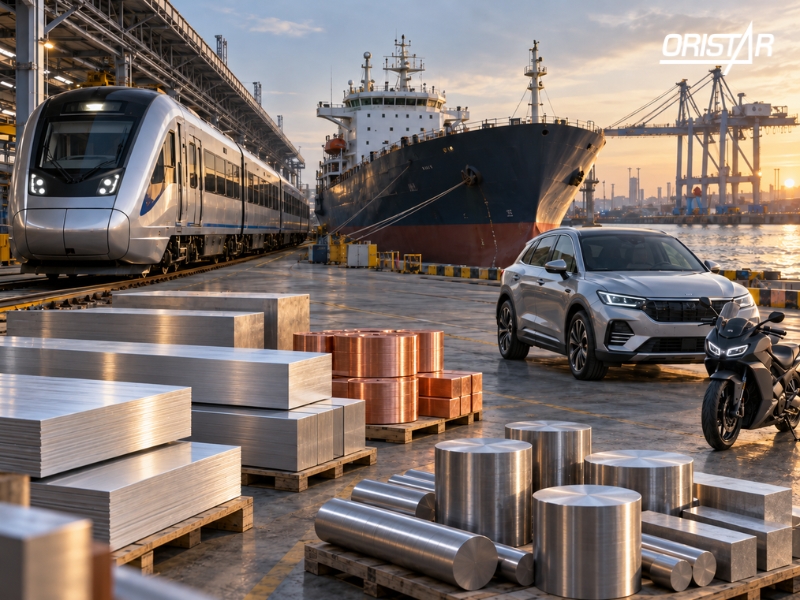
Oristar provides aluminum, copper, steel and technical materials for the transportation industry including railways, marine, automobiles and motorbikes, supporting specifications and processing as required.
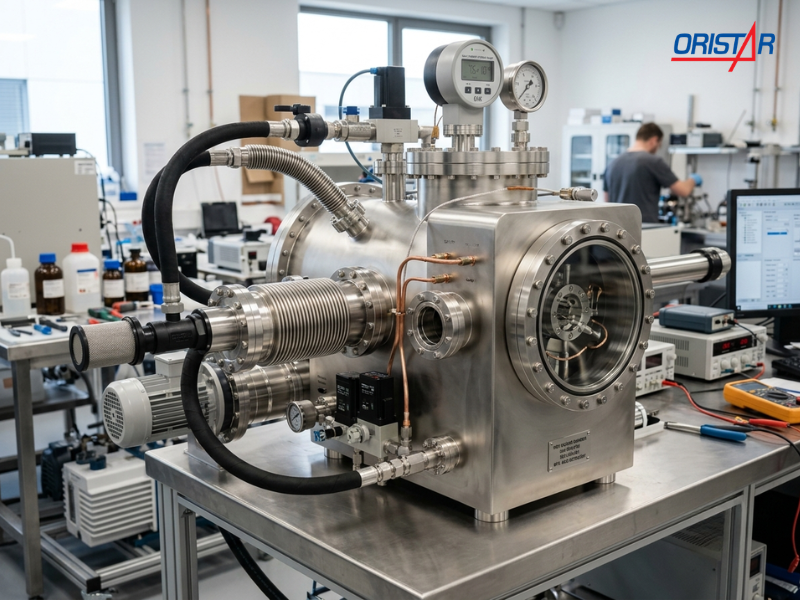
In the semiconductor industry, vacuum chambers are used in many processing and component manufacturing systems. Chamber materials need to meet requirements for corrosion resistance, dimensional stability, surface quality and precision machining. SUS304, SUS304L, SUS316 and SUS316L are stainless steel grades that can be considered depending on design and operating conditions. The selection should be based on the usage environment, cleanliness requirements, vacuum level and technical standards of each device.
Aluminum for aircraft door frames requires high strength, toughness and ability to withstand concentrated loads. Learn about A7050, A7475 and criteria for selecting aircraft door frame materials
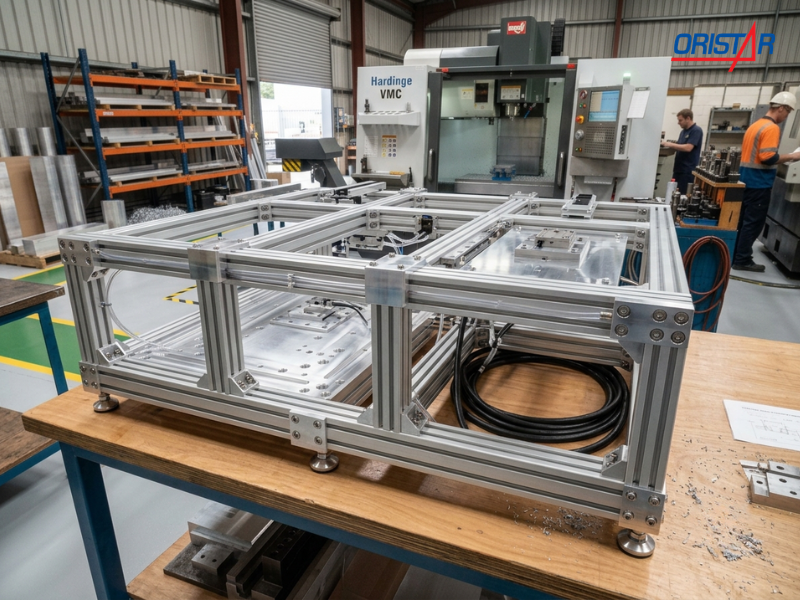
The machine frame is the part that creates the structure and connects many detailed assemblies in semiconductor manufacturing equipment. The frame material therefore needs to simultaneously meet the requirements of weight, rigidity, machinability and stability during assembly and operation. Aluminum and aluminum alloys are used in many machine structures due to their light weight, machinability and flexibility in specifications. Depending on the frame design, load, processing method and technical requirements, businesses can consider grades such as A6061, A5052, A6063 or other types of aluminum suitable for each structure.
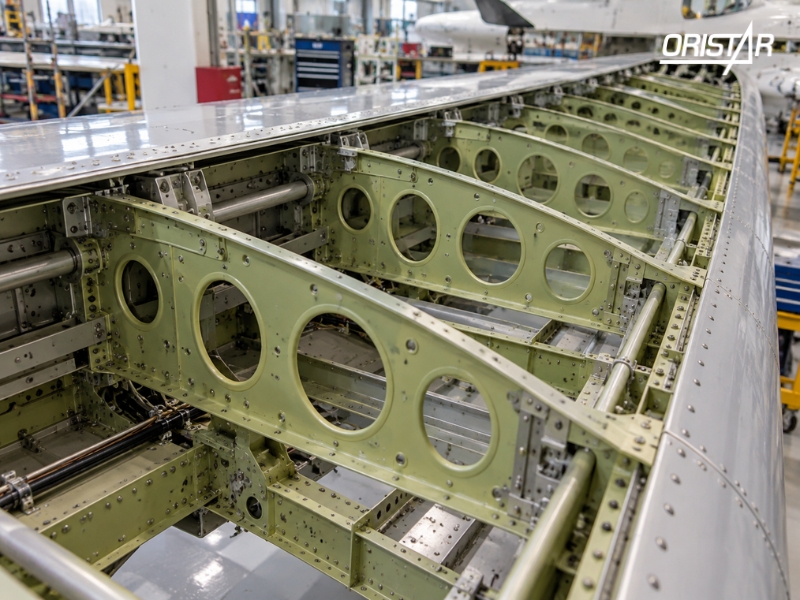
Aluminum for aircraft wing ribs requires high strength, toughness and stability. Learn A7050, A7475 and how to choose materials according to load, thickness, and processing.
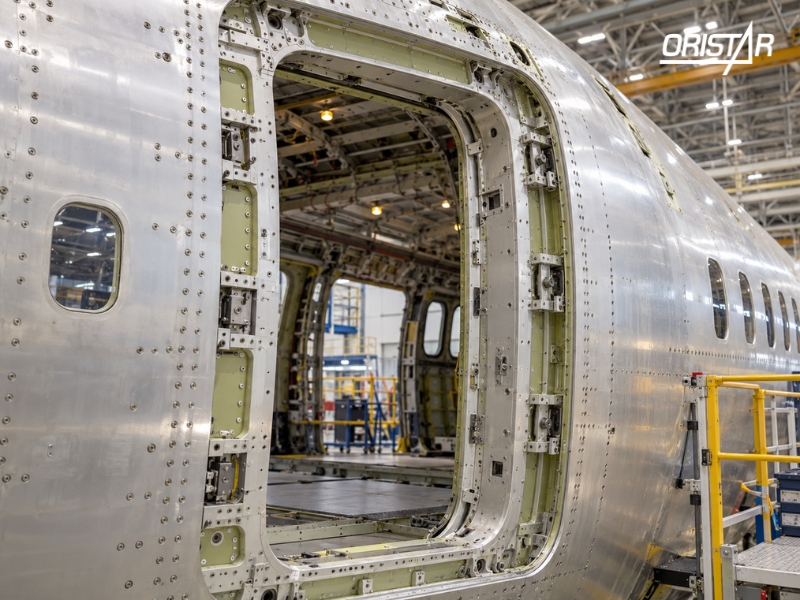
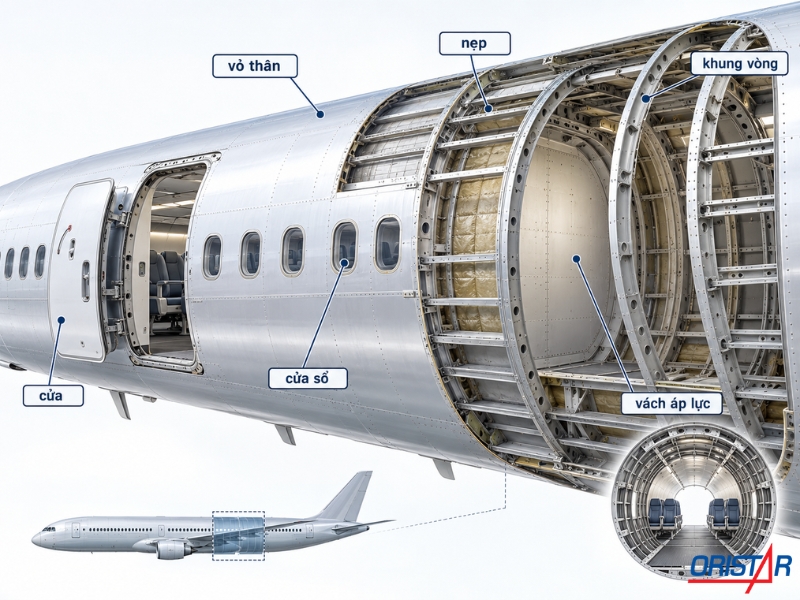
Aluminum for aircraft fuselage is not limited to A2024 or A7075. Find out which aluminum grades are used for the body shell, braces, frames, doors and pressure walls and why
 vi
 en
 kr
 jp
 cn